CALL US TODAY
0410 655 648CALL US TODAY
0410 655 648
Unusual noises from an air conditioner can be an early sign that something is wrong. While a soft hum or gentle airflow is normal, banging, buzzing, whistling, grinding or repeated clicking may point to restricted airflow, worn components or a developing fault. For anyone relying on air conditioning in Shellharbour, recognising these changes early can help prevent more serious problems.
Ignoring unusual sounds can lead to reduced cooling, higher running costs and unnecessary damage to the system. Understanding what different noises mean can help homeowners decide whether a simple check is enough or whether the unit should be switched off and professionally inspected.
Ben Air Conditioning helps identify the causes of unusual air conditioner noises and determine when professional attention is needed. Knowing the warning signs and keeping the system properly maintained can help support reliable and efficient cooling when it is needed most.
Not every air conditioner noise indicates a problem. Soft, consistent sounds are part of normal operation, while sudden changes in volume, pitch or rhythm may signal an issue.
A gentle whooshing or humming from indoor vents is normal as the fan moves air through the system. It may become slightly louder when the unit starts or when a higher fan speed is selected.
The outdoor unit should also produce a steady fan sound rather than rattling, grinding or scraping. A sudden change in airflow noise may indicate a blocked filter, loose component or ductwork issue.
The compressor normally produces a low hum or buzz while operating. A brief deeper sound or soft click when it starts and stops can also be expected as electrical controls engage and disengage.
These sounds should remain relatively consistent from one cycle to the next. Groaning, screeching or repeated attempts to start are not normal and may indicate a compressor or related component fault.
A faint, short-lived gurgle or hiss can occur as refrigerant moves through the system or pressure equalises after shutdown. Occasional dripping or trickling may also be heard as condensate water moves through the drain.
These sounds should be quiet and intermittent. Loud or continuous gurgling, splashing, visible leaks or musty odours may indicate a blocked drain or another issue requiring attention.
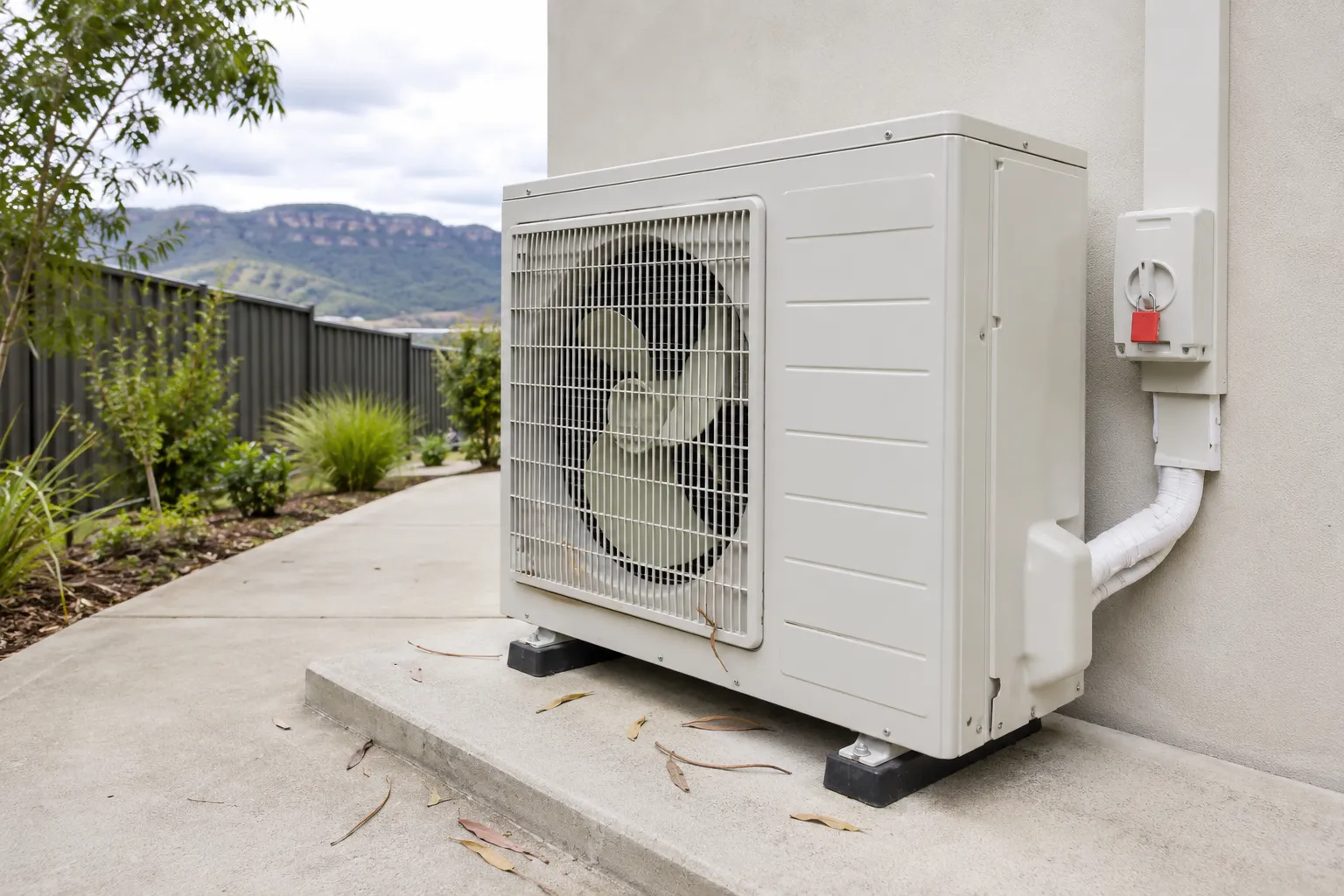
Unusual noises can provide an early warning that an air conditioner is developing a fault. The type of sound, where it comes from and when it occurs can help indicate the likely cause and how urgently it needs to be addressed.
Loud banging or clunking from the outdoor unit can indicate a loose or damaged component. A fan blade may be striking the casing, or an internal compressor component may have failed.
Because continued operation can cause further damage, the system should be switched off and professionally inspected.
High-pitched screeching or squealing can be caused by worn fan bearings, misaligned components or, in some older systems, a damaged belt. A persistent screech may also indicate that the compressor or motor is struggling.
These sounds should be investigated promptly because continued operation can place additional strain on moving components.
Persistent hissing may indicate a refrigerant leak, particularly when accompanied by poor cooling or ice formation. Hissing around vents can instead result from air escaping through ductwork.
Gurgling or bubbling may be associated with refrigerant movement or a partially blocked condensate drain. As refrigerant handling requires an appropriately licensed technician, suspected refrigeration faults should be professionally assessed.
A soft click when the system starts or stops is usually normal, but repeated clicking may indicate an electrical control problem. Loud buzzing can point to a failing contactor, loose electrical connection or struggling motor.
Rattling is more commonly associated with loose panels, screws, debris or vibration. Accessible external fittings and debris can sometimes be checked safely, but electrical buzzing or clicking should be left to a qualified technician.
Rattling or vibration usually means something is loose, obstructed, unbalanced or no longer securely supported. While the cause may be as simple as debris or a loose panel, persistent vibration can place additional strain on fans, motors and other components.
Here are some causes:
In coastal areas such as Shellharbour, air conditioner rust and corrosion can also affect fan components, fasteners and mounting hardware, potentially contributing to unusual noise or vibration.
Homeowners can safely check for visible debris and accessible loose fittings after switching the system off. Protective covers should not be removed and anything caught inside the fan assembly should be left for a technician. If vibration continues after basic checks, professional assessment can identify the cause before it leads to further mechanical damage.
A soft, steady hum from the compressor or fan is normal during operation. However, a new or noticeably louder buzzing sound may indicate a mechanical or electrical issue. A struggling fan motor, worn bearings or a failing electrical component can all change the system's usual sound.
Persistent buzzing is more concerning when the air conditioner repeatedly tries to start, produces reduced cooling or airflow, shows error indicators or causes circuit breakers to trip. A burning smell, crackling or popping should also be treated as a warning sign.
If the buzzing is loud, continuous or accompanied by these symptoms, the system should be switched off and professionally assessed. Homeowners should not remove covers or attempt electrical repairs themselves.
A soft click when an air conditioner starts or stops is generally normal. Relays and other control components can make a brief sound as the system changes operating modes.
Repeated clicking while the system is running can indicate that an electrical component is repeatedly trying to engage if the air conditioner struggles to start or stops cooling properly. Popping or crackling is more concerning and may indicate an electrical fault, especially when accompanied by a burning smell, smoke or a tripped circuit breaker.
If clicking or popping is loud, persistent or becoming more frequent, switch the system off and arrange a professional inspection. Electrical components should not be accessed or repaired as a DIY task.
Yes. Strange noises can sometimes indicate a refrigerant or electrical problem when they are new, persistent or accompanied by changes in cooling performance. Continuous hissing or bubbling may point to a refrigeration issue, while buzzing, crackling, repeated clicking or popping can indicate an electrical fault.
However, noise alone cannot confirm the cause. Hissing or gurgling can also result from airflow or condensate drainage issues, while buzzing may come from a struggling motor or another mechanical component. A qualified technician can inspect the system to determine the actual source.
Under Australia’s refrigeration licensing framework, anyone carrying out work that risks releasing fluorocarbon refrigerant must hold an appropriate Refrigerant Handling Licence.
If unusual noise occurs alongside poor cooling, icing, repeated startup attempts, burning smells, flickering displays or tripped circuit breakers, the system should be switched off and professionally assessed. Providing details about the sound, where it comes from and when it occurs can help the technician diagnose the problem more efficiently.
Dirty filters and restricted airflow can make an air conditioner louder by forcing the fan to work harder to move air through the system. The noise may sound like whistling, whooshing or louder humming, while severe restrictions can also reduce cooling and place extra strain on the system.
Australian Government energy guidance recommends keeping air conditioner filters and vents clean and arranging regular service inspections to support efficient operation.
A simple step-by-step check can help identify basic airflow problems:
If clean filters and clear vents do not resolve the noise, the cause may involve the fan, motor, ductwork or another component.
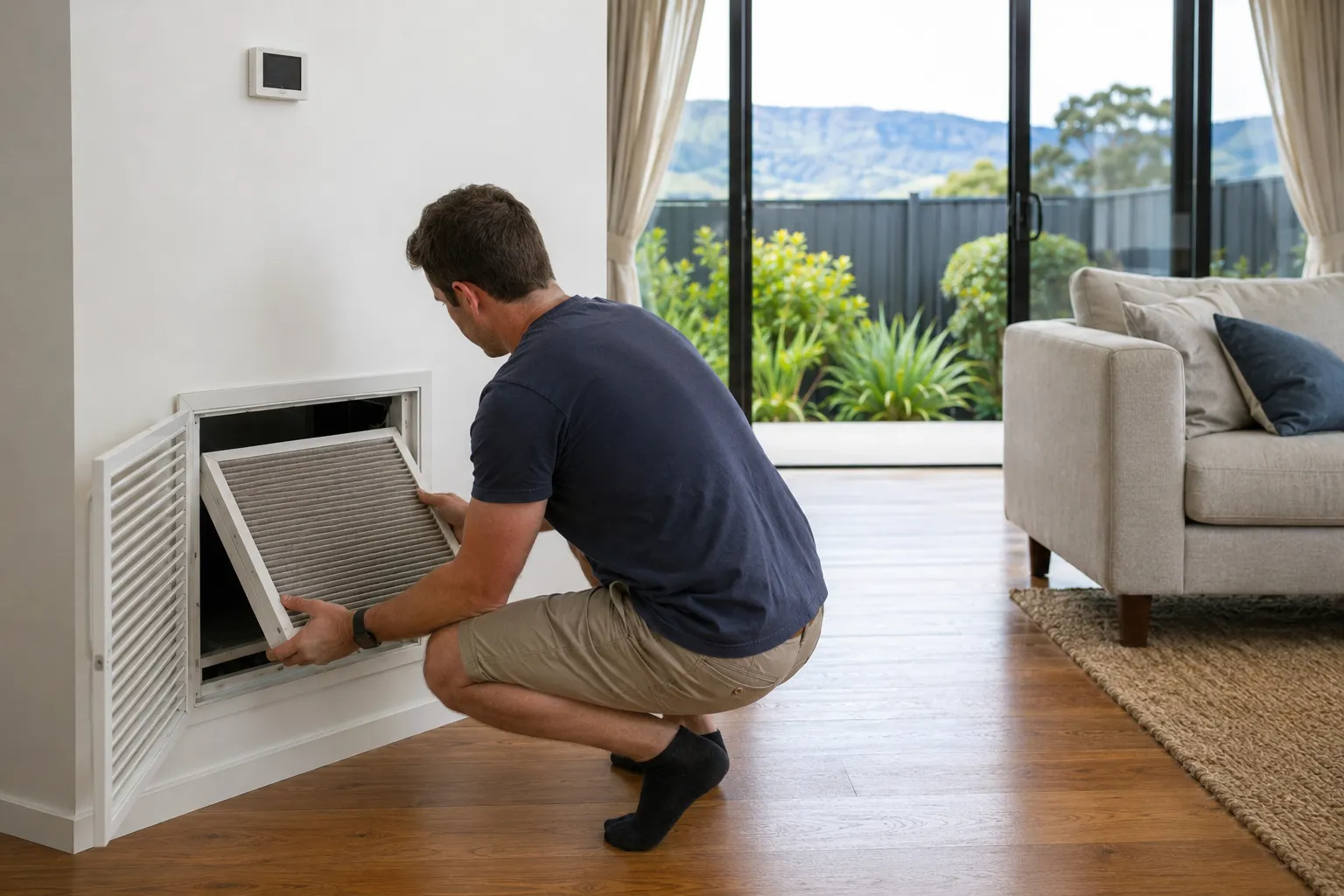
Some air conditioner noises have simple causes that homeowners can safely check without opening the unit or handling electrical components. Before inspecting anything, switch the system off and avoid DIY checks if there is a burning smell, exposed wiring, smoke or severe mechanical noise.
Homeowners can also review these DIY air conditioner maintenance tips to understand which basic checks are suitable and when professional assistance is required.
The following checks are safe:
If the noise continues or involves grinding, screeching, loud banging, crackling or repeated clicking, professional assessment is recommended. Electrical components, refrigerant systems and internal mechanical parts should not be accessed by homeowners.
Some unusual noises can be monitored briefly, but others indicate a fault that could cause further damage or create a safety risk. The noise should be treated more seriously when it is loud, persistent, worsening or accompanied by other warning signs.
Switch the air conditioner off and arrange professional help if you notice:
If the noise is mild but continues after basic checks, it should still be investigated before the problem becomes more expensive to repair. When in doubt, switching the system off is safer than continuing to operate an air conditioner making an unfamiliar or severe noise.
Regular air conditioner maintenance can help prevent many problems that cause unusual noises by identifying dirt, restricted airflow, loose components and developing faults before they become more serious.
During routine servicing, a technician can check:
Maintenance cannot prevent every noise, as components naturally wear over time. However, regular professional servicing, combined with keeping filters clean and the outdoor unit clear, can help maintain quieter and more reliable operation.
Strange air conditioner noises should not be ignored, as they can signal anything from restricted airflow to a mechanical, electrical or refrigeration fault. Simple checks such as cleaning filters and clearing debris may resolve minor issues, but persistent, worsening or unusual sounds should be professionally assessed.
Ben Air Conditioning can identify the source of the noise and recommend the most suitable solution, whether maintenance, repair or replacement is required. Acting early can help prevent further damage, maintain efficiency and keep the system running reliably when cooling is needed most.

