CALL US TODAY
0410 655 648CALL US TODAY
0410 655 648
Living near the coast brings cooling sea breezes and more comfortable evenings, but it also exposes air conditioning systems to one of their most damaging environmental pressures: salt-laden air. For properties using ducted air conditioning in Wollongong, coastal exposure can accelerate wear on outdoor components, leading to corrosion, lower efficiency, higher running costs and a shorter system lifespan. Salt, moisture and wind-driven debris steadily break down protective coatings and attack exposed metal, often long before the damage becomes obvious.
This article explains why coastal environments are so harsh on air conditioning equipment, which parts of the system are most vulnerable and the early signs that corrosion is beginning to affect performance. It also outlines practical ways to reduce the rate of deterioration through better unit placement, protective treatments and a maintenance routine suited to seaside conditions. With the right approach, it is possible to slow corrosion, protect efficiency and keep a ducted system operating more reliably for longer.
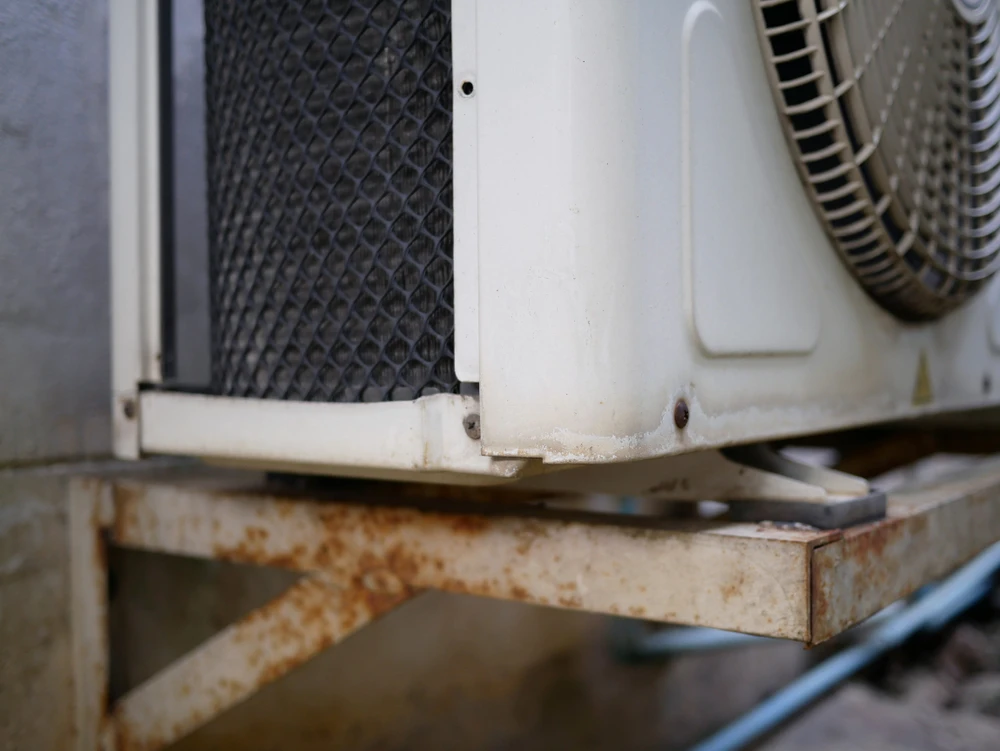
Coastal air shortens the life of an outdoor air conditioning unit because it carries a constant mix of salt, moisture and fine abrasive particles. These elements settle on metal surfaces, electrical connections and protective finishes, creating the ideal conditions for corrosion to develop faster than it would inland.
The problem is not limited to visible rust on the cabinet. In many cases, the more serious damage occurs on coils, fins, screws, brackets and internal components that are harder to inspect but directly affect the system’s performance. Once corrosion takes hold in these areas, airflow, heat transfer and electrical reliability can all start to decline.
Sea spray and breaking waves release tiny salt particles into the air, and onshore winds carry them inland where they settle over exposed outdoor equipment. Even when the unit does not look especially dirty, a thin salt film can build up over time and remain on the surface.
Salt attracts and holds moisture from the air, so that layer rarely stays dry for long. Instead, it keeps metal surfaces damp and creates a highly corrosive environment that speeds up the electrochemical reactions behind rust and pitting. Aluminium fins can weaken, copper tubing can deteriorate and steel fixings can begin to rust far sooner than expected.
As salt builds up between tightly packed coil fins, it traps even more moisture and grime. Over time, this can eat into the thin metal surfaces, restrict airflow and in severe cases contribute to refrigerant leaks or coil failure.
Coastal areas generally experience higher humidity, which means outdoor units often stay damp for much longer throughout the day and night. When metal does not have a chance to dry properly, corrosion progresses much faster.
Air conditioning systems also produce condensation during normal operation. In a humid coastal environment, that moisture evaporates more slowly and may linger around the coil, base pan and internal metal parts. Overnight temperature drops can add another layer of condensation to already salty surfaces, creating a repeated cycle of moisture exposure.
This is why even minor scratches or small breaks in a factory coating can become starting points for more aggressive corrosion near the coast. Once the protective barrier is compromised, the damp coastal environment does the rest.
Coastal winds do more than carry salt. They also bring sand, dust and other airborne particles that strike the outdoor unit and gradually wear down painted and powder-coated finishes. Over time, this abrasion can scuff surfaces, chip coatings and expose bare metal.
Once that happens, salt and moisture can reach the material underneath much more easily. Corrosion often starts at these damaged points, then spreads beneath surrounding paint or coating, causing bubbling, flaking and wider deterioration.
In some coastal locations, traffic-related or industrial pollutants can add to the problem. When these deposits combine with moisture, they can become mildly acidic and further attack metal, rubber and exposed electrical parts.
Coastal conditions do not affect every part of the system equally. Some components are far more exposed than others, either because of their location, their material or the role they play in heat transfer and airflow.
The outdoor unit faces the greatest risk because it is constantly exposed to sea air, moisture and wind-driven contaminants. However, internal components can also be affected over time, especially where salty air enters the system and moisture collects on cooler surfaces.
The condenser coil is usually one of the first areas to show coastal wear. It is made up of copper or aluminium tubing with thin aluminium fins that provide a large surface area for heat exchange. That same large surface area also makes the coil highly exposed to salt deposits and moisture.
As corrosion develops, the fins may start to pit, weaken or crumble. This reduces airflow through the coil and makes it harder for the system to reject heat efficiently. The result is longer run times, more strain on the compressor and a noticeable drop in performance.
If corrosion reaches coil joints or tubing, refrigerant leaks can develop. These repairs are often expensive, and in older systems they may push the unit closer to replacement.
The cabinet that surrounds the outdoor unit is exposed to sea air, rain and constant moisture. Any scratch, chip or worn edge in the finish can turn into a rust point. Once rust starts around panel edges, screw holes or lower sections of the unit, it can spread underneath the surrounding coating.
The base pan is particularly vulnerable because it can hold moisture, dirt and salt deposits for long periods. Rust in this area is more than cosmetic. If it progresses far enough, it can weaken the structure supporting the coil and fan assembly.
Mounting brackets, bolts, screws and fixings are also common failure points in coastal environments. Standard zinc-plated hardware tends to deteriorate quickly near the ocean, which can make servicing harder and compromise the stability of the unit over time.
The outdoor fan continually pulls coastal air through the condenser, so fan blades, hubs, motor housings and bearings are all exposed to salt and moisture. Corrosion on metal fan parts can throw the assembly out of balance, leading to vibration, noise and extra load on the motor.
Electrical components are also highly vulnerable. Salt residue on terminals, contactors, connectors and circuit boards can cause increased electrical resistance, intermittent faults and premature failure. Disconnect switches and junction boxes near the outdoor unit often show corrosion early, especially if seals are damaged or moisture enters the enclosure.
Because electrical corrosion is not always obvious from the outside, these issues can build quietly until the system begins tripping, failing to start or operating unreliably.
Where an outdoor unit is installed has a major impact on how quickly corrosion develops. While no coastal location removes the risk entirely, thoughtful placement can reduce direct salt exposure, improve drying and make cleaning easier.
The goal is to limit how much salty air reaches the unit, how long moisture sits on the metal and how exposed the system is to driving wind, rain and abrasive debris.
A well-chosen position can significantly reduce the amount of direct salt spray and wind-driven contamination reaching the condenser. Installing the unit on the side of the building that faces away from prevailing onshore winds is often one of the simplest ways to reduce exposure.
Natural or built shelter can also help. A deep eave, balcony or suitably positioned awning may offer some protection from rain and falling debris while still allowing adequate airflow and service access. The unit should never be boxed in, but some overhead cover can reduce the amount of salt and moisture settling directly onto the cabinet and coil.
Care is still needed around landscaping and screening. Shrubs or fences may act as a windbreak, but they should not trap moisture, restrict airflow or crowd the unit.
Outdoor units installed too close to the ground are more exposed to standing water, soil moisture, splashing rain and debris build-up. In coastal areas, this can speed up corrosion around the base pan, lower coil sections and mounting points.
Raising the unit on a suitable stand or secure wall brackets helps improve drainage and keeps the base drier. It also reduces the risk of exposure to sand and salty spray moving close to ground level. Corrosion-resistant supports and fixings are especially important in these installations, as standard hardware may deteriorate quickly.
The surrounding area should also drain well. Low pockets where humid air lingers or water pools can make an already corrosive environment even worse.
Where the outdoor unit cannot avoid direct exposure to sea winds, a well-designed barrier may help reduce the amount of salt and debris reaching the system. Perforated screens, louvred panels or purpose-built guards can deflect some of the wind without completely blocking airflow.
These barriers need to be chosen and positioned carefully. If they sit too close to the unit or restrict ventilation, they can reduce performance and trap moisture. Any screen used near the coast should also be made from corrosion-resistant materials, otherwise it may deteriorate faster than the system it is meant to protect.
In coastal environments, the materials and finishes used on the outdoor unit make a real difference. Standard coatings may perform well inland but break down much faster when exposed to salt, humidity and abrasive particles over time.
Factory-applied coastal coatings on coils and external metalwork can provide an extra layer of defence, particularly for systems installed within a few kilometres of the shoreline. These coatings help separate the metal from the surrounding salt and moisture, slowing the rate of corrosion.
For existing systems, aftermarket protective treatments may also help. Anti-corrosive sprays, coil coatings and the replacement of vulnerable hardware with stainless steel or suitably galvanised components can all reduce the spread of rust. These measures will not eliminate corrosion altogether, but they can slow its progression and extend the workable life of the unit.
Inland systems may cope with an annual service and occasional cleaning, but coastal air conditioners generally need more attention. Salt deposits, grit and moisture build up faster near the ocean, and without regular removal they begin to affect both performance and reliability.
Maintenance in coastal conditions is not just about keeping the unit tidy. It is about preventing salt from staying on surfaces long enough to break down coatings, corrode metal and damage electrical parts.
When salt and debris collect on outdoor coils, the system cannot transfer heat as effectively. Airflow may also be restricted as fins become clogged or damaged. The unit then has to work harder and run longer to achieve the same indoor temperature.
This extra workload increases electricity use and places more strain on major components. Over time, even moderate contamination can contribute to higher operating costs and more rapid wear.
Indoor components can also be affected. In coastal homes where windows are often open, fine airborne particles may enter the home and collect on filters and indoor coils. If these areas are not cleaned, airflow drops and the system’s performance suffers further.
In coastal areas, a basic annual service is often not enough. The combination of salt exposure, high humidity and more aggressive environmental wear usually justifies more frequent inspections and cleaning.
A coastal service routine may include:
This kind of preventive servicing helps catch issues early, when they are still manageable. It is usually far less costly to clean, treat or replace minor corroded parts than to wait until major components fail.
Corrosion does not always begin with dramatic visible rust. In many cases, the first signs show up as changes in how the system runs. These performance issues are easy to dismiss at first, but they often indicate that coastal wear is already affecting the outdoor unit.
One of the most common signs is that the system struggles to maintain the same indoor temperature it once handled easily. Rooms may take longer to cool, the outdoor unit may run for extended periods and overall comfort may feel less consistent.
This often happens when outdoor coils become corroded or coated in salt and grime. Heat transfer becomes less efficient, so the system needs more time and energy to remove the same amount of heat from the home.
A gradual increase in electricity costs can also point to corrosion-related performance loss. When coils, motors and electrical connections are no longer operating efficiently, the system draws more power to deliver the same result.
If usage habits have not changed and seasonal conditions are broadly similar, rising bills may be a sign that the outdoor unit is under extra strain from coastal deterioration.
Unusual sounds such as rattling, clicking or scraping may suggest corrosion on fan parts, brackets or motor components. Rust can affect balance, create vibration and shorten the life of moving parts.
Visible warning signs are also important. Rust streaks, bubbling paint, flaking metal, bent fins and corrosion around screws or lower cabinet sections all suggest that the protective finish has already been compromised. These signs do not always mean replacement is required, but they do indicate that the system should be inspected before the damage spreads.
Not every sign of rust means the air conditioner has reached the end of its life. In some cases, the damage is mostly cosmetic and can be managed with cleaning, treatment and minor part replacement. In others, corrosion has progressed far enough to affect safety, performance or structural strength.
The decision usually depends on where the corrosion is located, how severe it is and how old the system is.
Light surface rust on cabinet panels, screws or brackets may be treatable if the underlying metal is still sound. Cleaning back the affected area, applying a rust treatment and recoating the surface may help slow further deterioration.
Replacing rust-prone fasteners with more suitable corrosion-resistant hardware can also stop small issues from spreading into larger structural problems.
Corrosion becomes much more serious when it affects the base pan, structural frame, coil, refrigerant circuit or key electrical components. Rust holes, flaking structural metal, weakened mounting points or heavily corroded coil sections usually indicate more than a cosmetic issue.
At that stage, repair may become unreliable or uneconomical, especially if the system is already older or experiencing declining efficiency. Severe corrosion around electrical parts is also a safety concern, as moisture intrusion and deteriorated connections can lead to faults or repeated breakdowns.
Even if a heavily corroded unit can be repaired, it may not always be the best long-term choice. If the system is already more than a decade old, has rising operating costs and shows repeated signs of coastal deterioration, replacement may provide better value than ongoing repair work.
A newer system with improved protective features and a stronger maintenance plan may offer better efficiency, fewer faults and more reliable performance in the same coastal environment.
Rust and corrosion are not unusual problems for air conditioning systems near the coast. They are predictable results of ongoing exposure to salt, humidity and abrasive airborne particles. What matters is how early the risk is recognised and how consistently it is managed.
Good placement, corrosion-resistant materials, protective coatings and regular coastal-focused maintenance can all help slow the damage and extend the life of the system. For properties using ducted air conditioning in Wollongong, treating corrosion as a risk to manage rather than an unavoidable surprise gives the best chance of maintaining performance, efficiency and long-term reliability.

