CALL US TODAY
0410 655 648CALL US TODAY
0410 655 648
Coastal living offers cooling breezes and beautiful views, but it is also one of the toughest environments for air conditioning systems. At Ben Air Conditioning in Wollongong, our team regularly sees units in coastal homes wear out years earlier than identical models installed further inland. Salt-laden air, constant humidity and fine corrosive particles all work together to attack metal components, electrical parts and coils. The result is often rising power bills, more frequent breakdowns and a frustratingly short system lifespan.
In this article, Ben Air Conditioning explains why air conditioners in coastal properties face such accelerated wear and what homeowners can do to protect their investment. Readers will learn how salt corrosion affects outdoor units, why moisture and airborne contaminants reduce efficiency, which maintenance practices matter most in coastal suburbs and how smarter installation choices can slow the damage. Understanding these factors helps homeowners cut repair costs, avoid premature replacement and keep their homes comfortable and energy efficient for longer.
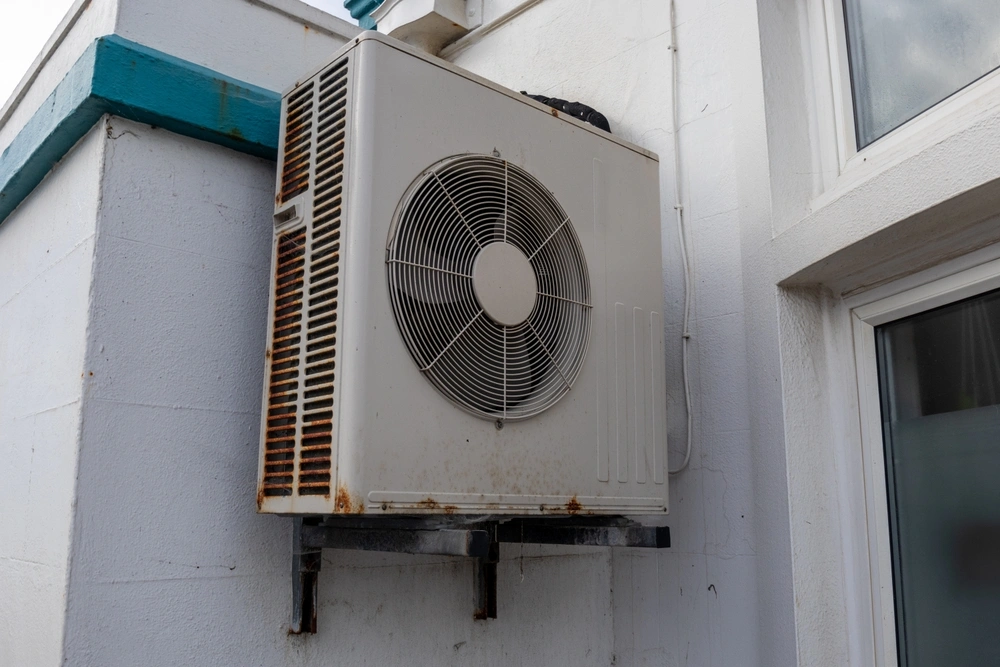
Air conditioners in coastal suburbs often fail years earlier than identical systems installed further inland. The same brand and model can have very different lifespans simply because salty sea air and coastal weather expose components to much harsher conditions.
Air conditioning experts regularly see outdoor units near the coast with advanced rust, leaks and electrical faults that would be unusual in non‑coastal homes. Understanding what is happening to the metal, refrigerant lines and electronics helps homeowners take the right steps to slow that damage.
The number one reason coastal air conditioners wear out faster is salt in the air. Sea spray and wind carry tiny salt particles that settle on the outdoor unit, especially the condenser coil and metal casing.
Salt is highly corrosive when combined with moisture. On the outdoor unit it can:
As corrosion progresses, the coil becomes less efficient at releasing heat. The system must run longer to achieve the same cooling, which increases energy use and mechanical wear. If refrigerant lines corrode through the unit, it will eventually lose gas and stop cooling altogether.
Coastal areas tend to have higher humidity and more frequent mist or light drizzle. That extra moisture clings to metal surfaces and does not dry out as quickly as in inland locations. When salt deposits stay wet, the corrosion process accelerates.
Indoors the same humid air can create problems around the indoor unit and ductwork. Moisture and salt in the air can:
Mould and biofilm on the indoor coil reduce airflow and heat transfer, so the system has to work harder. That added strain can shorten the life of fans and compressors and also affects indoor air quality.
Coastal homes experience stronger, more consistent winds that push salty air deep into the fins of the outdoor unit. Wind‑driven sand and fine grit can lodge between coil fins and around fan motors.
Over time this leads to:
Outdoor units close to the shoreline or without any shielding from fences or landscaping are affected the most. Units exposed on rooftops or upper balconies also see more direct wind and salt than units at ground level in a protected courtyard.
Coastal climates may feel milder, but the combination of high humidity and warm temperatures keeps air conditioners running for long periods. Systems work harder to remove moisture from the air as well as heat, which increases run time and compressor cycles.
More hours of operation every year mean more wear on:
When this heavier workload is combined with corrosion and dirt from the coastal environment, the overall lifespan of the system can drop significantly compared with the same model operating inland.
In coastal homes air conditioners often start showing problems earlier than expected. Salt in the air, moisture and wind-blown sand can quietly damage components long before the system completely fails. Spotting these warning signs early allows the air conditioning in Wollongong experts to repair or protect the unit before the damage becomes permanent.
Homeowners should pay close attention to both how the system looks and how it performs. Changes in cooling power, unusual noises or visible rust around the outdoor unit can all point to coastal wear rather than simple age.
On the coast the outdoor condenser is the first place to look. Salt-laden air sticks to metal surfaces and speeds up rust and corrosion.
Early visual signs include flaking paint on the cabinet, small rust spots on screws or panels and a white or green crust forming on copper or aluminium pipes and fittings. Over time fins on the condenser coil can start to look thin, bent or eaten away. The base of the unit may show rust rings or staining on the concrete slab.
If corrosion is visible on the outside, there is usually more forming on hidden parts such as coil tubing brackets and fasteners. This type of damage is strongly linked to coastal exposure and should prompt a professional inspection.
Coastal wear often affects efficiency before anything actually breaks. As salt and moisture attack the condenser coil, it cannot release heat as easily, so the system must run longer to achieve the same comfort level.
Warning signs include rooms taking longer to cool, uneven temperatures between rooms and the need to lower the thermostat more than in previous summers. Homeowners may also notice that the outdoor fan seems to run almost constantly on warm days.
If energy bills are climbing even though thermostat settings and household habits have not changed, that can be a clue that coastal corrosion, dirt and salt buildup are forcing the system to work harder than it should.
Corrosion does not only affect the coil. It can weaken fan blades, motor mounts and electrical connections, which often shows up as new or worsening noises.
Rattling or vibrating from the outdoor unit can indicate rusted brackets or compromised hardware. Grinding or scraping may point to a fan blade that has become unbalanced from rust or pitting. Buzzing or clicking from the electrical compartment can result from corroded terminals or contactors.
Musty or salty metallic smells when the system starts can also be related to coastal conditions, especially if there is visible rust on nearby components. Finally, if the air conditioner needs repeated repairs for issues like capacitor failures, fan problems or small refrigerant leaks and the home is near the coast, this pattern is a strong sign that environmental exposure is shortening component life and that added protective measures are needed.
Air conditioners in coastal homes face constant salt, moisture and wind that speed up wear and tear. Homeowners cannot remove the salt from the air, but they can take practical steps that dramatically extend system life, reduce breakdowns and keep efficiency high.
Air conditioning experts recommend combining simple homeowner maintenance with professional care tailored to corrosive coastal conditions. The right habits and upgrades often add years to the life of a coastal air conditioner.
When installing or replacing an air conditioner in a coastal suburb, it is worth selecting equipment designed for harsh environments. Many leading brands offer coastal or coastal-rated outdoor units with features such as epoxy-coated condenser coils, stainless steel or powder-coated panels and protected fasteners that resist rust.
For existing units, professional anti-corrosion treatments can slow damage. A technician can apply specialised coil coatings to the outdoor unit that create a barrier between metal surfaces and salty air. These coatings must be compatible with the system and applied correctly, so this is not a DIY job. In areas extremely close to the coastline, air conditioning experts may also recommend protective covers or surrounds that still allow plenty of airflow but shield the unit from direct sea spray.
Correct placement of the outdoor unit is one of the most effective ways to protect it. Ideally it should be installed on a raised slab or sturdy wall brackets well above ground level so rain splashes and pooling water do not reach the base. It should be positioned away from direct ocean-facing winds whenever possible and not under roof edges where salt-laden water drips directly onto the cabinet.
Keeping at least 300 to 600 mm of clear space around the unit helps reduce the build-up of salty debris. Homeowners should trim shrubs and remove garden mulch that can hold moisture against the metal surfaces. Good drainage beneath and around the unit matters as well. If water tends to pool after rain, a technician can advise on correcting levels or installing a better pad so the base of the unit stays as dry as possible.
In coastal areas standard maintenance schedules are usually not enough. We recommend:
During coastal service, air conditioning technicians focus on checking for early corrosion, tightening electrical connections that may be affected by moisture, testing refrigerant charge and cleaning coils with suitable products that do not damage protective coatings. Minor rust spots can often be treated and painted before they become serious structural issues.
By choosing the right equipment, improving installation conditions and following a strict maintenance routine, coastal homeowners can significantly slow down air conditioner wear and get more reliable comfort from their systems.
In coastal homes, air conditioners are fighting a tougher battle every single day against salt-laden air, high humidity, wind-driven debris, and often longer, harder run times. Over time, that means faster corrosion of coils and outdoor units, more strain on electrical components, clogged drains, reduced efficiency and a higher risk of unexpected breakdowns right when you need cooling most. Paired with smarter daily use, like managing indoor humidity, using ceiling fans to reduce load, regularly changing filters, and addressing small issues before they become major failures, you’ll not only protect your investment but also enjoy more reliable comfort and lower operating costs year after year. Coastal living will always be tough on air conditioners, but with the right strategy and support, your system doesn’t have to be another casualty of the sea air.

