CALL US TODAY
0410 655 648CALL US TODAY
0410 655 648
Our team at Ben Air Conditioning hears this question all the time, especially from property owners in Wollongong who are surprised by how strong and unpleasant these smells can become. A strange odour can appear without warning and make the whole home feel uncomfortable within minutes. It’s easy to think the air conditioning in Wollongong is broken beyond repair, but most smells come from a few common issues that quietly build up over time.
From musty air to burning smells and everything in between, each type of odour points to a different problem inside the system. Some are simple to fix with regular care, while others are warning signs that should never be ignored. Knowing what causes these smells puts you in control and helps protect your comfort and your equipment. Let us walk through the real reasons these smells appear and what actually works to fix them.
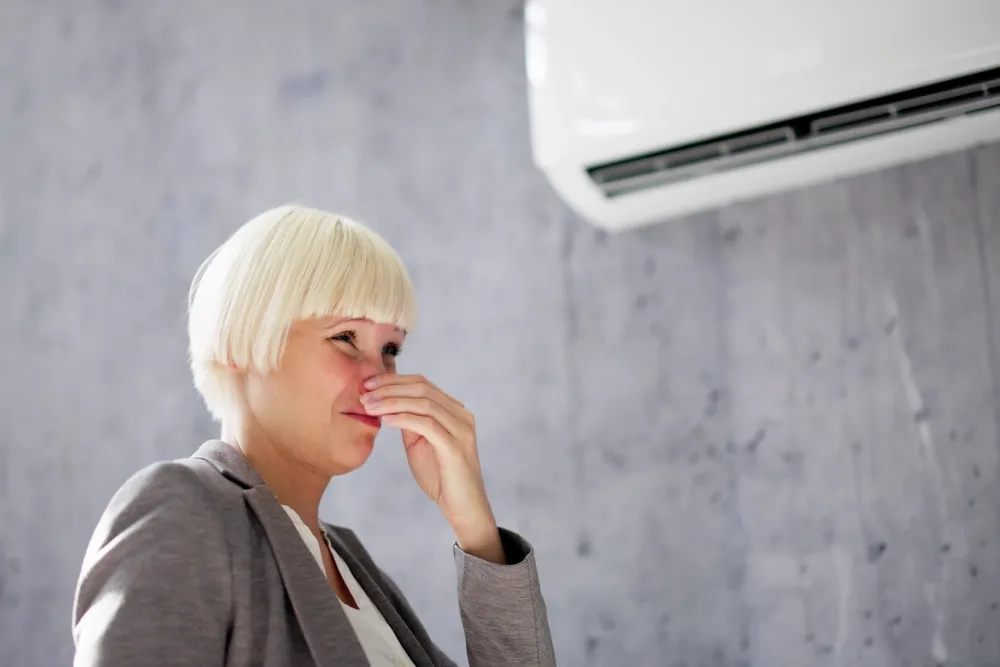
Unpleasant smells usually start from inside the system and spread quickly through the airflow when the unit switches on. Moisture or dust and heat create the perfect conditions for odours to form if they are not managed properly. Some smells build up slowly while others appear suddenly, which can be alarming. Understanding what causes each type makes it much easier to deal with the issue before it turns into a bigger problem.
Warm air and moisture constantly pass through the indoor unit, which makes it a perfect place for mould and mildew to grow if air movement is restricted. Once growth begins, it spreads across internal surfaces and releases a musty smell each time the system runs. This scent often gets stronger over time and can affect indoor air comfort if left untreated.
Filters are designed to trap dust and airborne particles, but they start to hold onto old odours when they become clogged. Instead of fresh airflow, the system pushes stale air back into your living spaces. This often creates a dusty or dirty smell that seems to linger no matter how long the unit runs.
Every system produces moisture during normal operation, and this water is meant to drain away safely. When the drain becomes blocked, the water has nowhere to go and starts to sit inside see-through trays and pipes. Stagnant water creates a damp, sour scent that spreads quickly through the system.
Evaporator coils play a major role in cooling, but they also collect dirt and moisture during everyday use. When grime sticks to damp coil surfaces, it creates a sour smell that many people describe as a wet dog scent. This odour can persist even after the system is turned off.
A burning smell is one of the most serious warning signs a system can give. This odour often points to overheated wiring or failing electrical parts inside the unit. It should never be ignored, as it can signal damage that could put the system or the home at risk.
Outdoor units can attract small animals or leaves and organic debris over time. When this material breaks down or comes into contact with moving parts, it can release strong rotten smells. These odours are often drawn inside through the airflow when the system runs.
The good news is that most persistent smells can be controlled or removed with the right care steps. Early action limits how far the odour spreads and helps prevent damage to internal parts. Regular attention keeps the system clean and the air fresh inside the home. These steps focus on the most effective ways to tackle common smell problems before they grow.
Filters should be cleaned or replaced on a regular schedule to maintain healthy airflow and reduce trapped odours. A fresh filter allows the system to circulate clean air without carrying old smells back into each room. This simple step often makes an immediate difference.
Keeping the drain clear allows moisture to exit the system instead of sitting inside it. This stops the damp, sour smell that comes from stagnant water buildup. A clear drain also protects internal components from moisture damage.
Mould removal requires careful cleaning of internal surfaces where spores like to hide. Treating the source stops the musty smell at its root instead of just masking it. This also improves overall air comfort throughout the home.
Deep coil cleaning goes beyond surface dust removal and restores proper heat transfer and airflow. This service removes grime that causes sour odours to linger inside the system. It also supports better performance and energy use.
A burning smell always calls for immediate action to protect both the unit and the home. Switching off the system stops further heat buildup and prevents potential electrical hazards. This step buys time while the real cause is properly checked.
Routine maintenance keeps internal parts clean and dry and running smoothly throughout the year. It reduces the conditions that allow smells to form and spread. Consistency is the key to long-term odour control.
Strong smells from a system are never random, and they always point to a clear cause inside the unit. Dust and moisture or heat and organic matter work together to create odours when they are left unchecked. Acting early protects your comfort and saves you from larger repairs down the track. A clean, well-maintained system always delivers fresher air.
If strange smells keep returning or you notice a burning odour that does not go away, it is time to take it seriously. Ben Air Conditioning ensures the root cause is treated properly and the system runs safely again. At the end of the day, comfort depends on clean flowing air and reliable performance.

