CALL US TODAY
0410 655 648CALL US TODAY
0410 655 648
A ducted air conditioning installation can often be completed within one to two days, although the exact timeframe depends on the property's size, layout, roof access and system design. For those considering air conditioning in Wollongong, knowing what can affect the schedule makes it easier to plan around trades and minimise disruption.
Ben Air Conditioning can assess the property and determine the requirements for the proposed ducted system before installation begins. The installation process may involve preparing access points, fitting ductwork and vents, connecting the indoor and outdoor units, completing electrical work and commissioning the system.
The overall timeframe can vary between straightforward single-storey homes and larger or more complex properties. Factors such as existing infrastructure, the number of zones, ceiling access and preparation work can all influence how long installation takes and when the new system can be used.
A standard ducted air conditioning installation in a typical single-storey home usually takes around one to two days. Smaller homes with good roof access and a straightforward duct layout may be completed within a day, while larger or more complex installations can take several days.
The timeframe depends on factors like the size and layout of the property, roof or ceiling access, number of rooms and zones, existing ductwork and the complexity of the system. Multi-storey homes or properties with restricted access may require additional installation time.
An installer can provide a more accurate timeframe after assessing the property and confirming the system design. This allows the installation schedule to account for the amount of ductwork, equipment, electrical work and access required for the specific home.
Several factors can affect how long a ducted air conditioning installation takes. While a straightforward system may be completed within one to two days, the property layout, access, existing equipment and system design can all extend the timeframe.
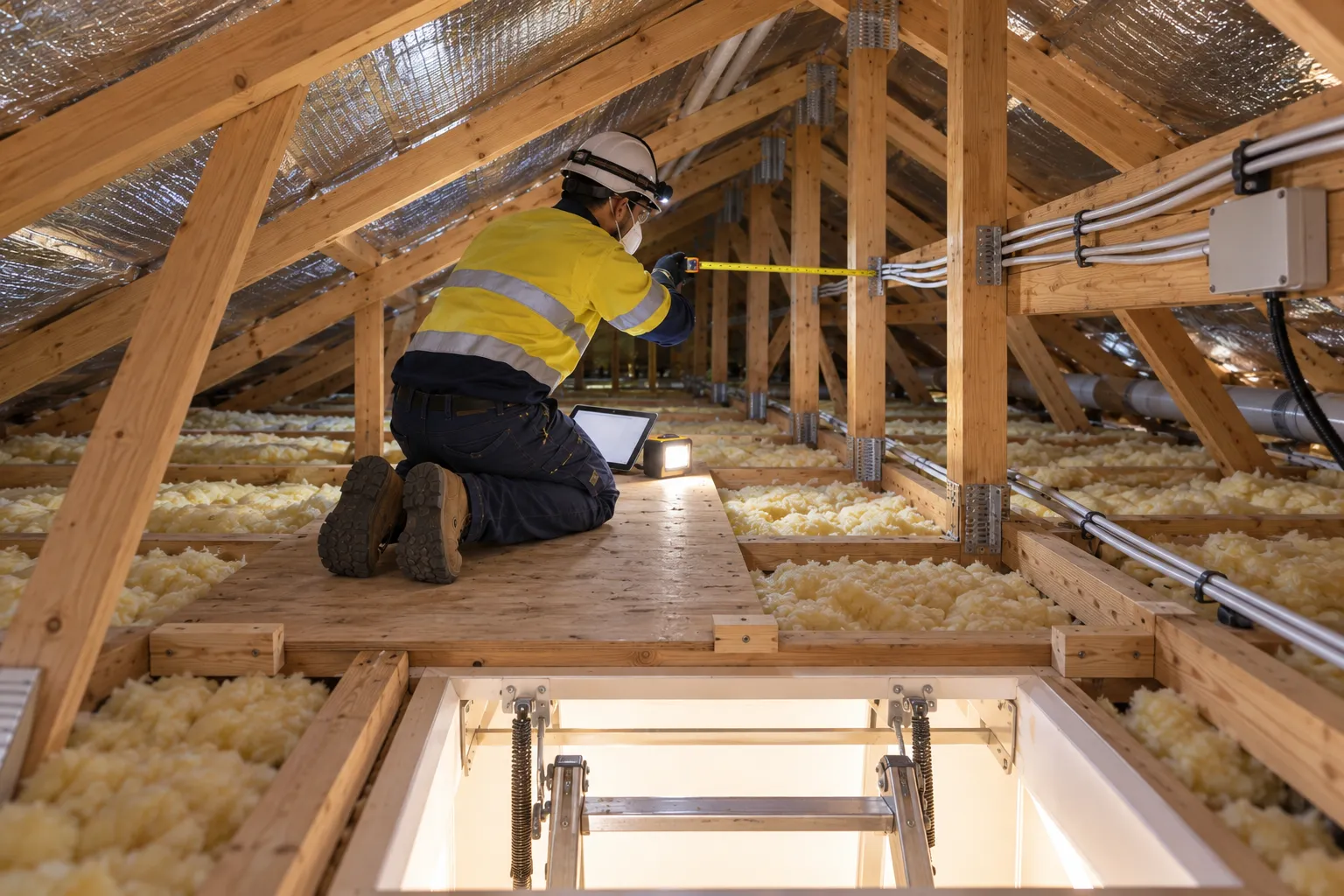
Here are the main factors:
A property assessment allows the installer to consider these factors before work begins and provide a more realistic installation timeframe.
A ducted air conditioning installation involves several stages, from preparing the property and positioning the equipment to installing ductwork, completing electrical work and testing the system. The exact process can vary depending on different factors.
The stages typically include:
Once testing is complete, the installer can explain the basic controls and zoning functions so the system is ready for regular operation.
Yes, ducted air conditioning can be installed in an existing home if there is suitable space for the indoor unit, ductwork and required electrical connections. Most retrofit installations use available roof, ceiling or underfloor spaces to route the ductwork with minimal changes to the existing structure.
Installation can take longer than fitting a system during new construction because the installer needs to work around existing walls, ceilings, insulation, plumbing and electrical services. Older homes may also have limited roof access or restricted spaces that make routeing ductwork more difficult.
Choosing the right air conditioning system also depends on the home’s size, layout, available installation space and heating and cooling requirements.
A site assessment helps determine whether the existing space is suitable and where the equipment, ducts and vents can be positioned. If an older ducted system is already installed, some components may be reusable depending on their condition and compatibility with the new system.
Ductwork and vents are normally installed as part of the overall ducted air conditioning installation rather than as a separate stage. The time required depends on the number of rooms, outlets and duct runs, as well as access to the roof or ceiling space.
Larger homes and more complex layouts require more ductwork and connections, while tight roof cavities, existing plumbing or electrical services and restricted access can make installation more time-consuming.
Once the ductwork is fitted, supply vents and return air grilles are connected to the system. Airflow is then checked during commissioning to ensure the system is distributing air correctly.
A ducted air conditioning installation can take longer than expected if unexpected access, electrical, structural or equipment issues are discovered during the work. While many potential problems can be identified during the initial assessment, some may only become apparent once installation begins.
Tight roof cavities, limited manhole access, stored belongings or heavy insulation can make it harder to install ductwork and equipment. Additional preparation may be needed before installation can continue safely.
Installers must also manage potential ceiling-space hazards, including damaged wiring, insulation and restricted movement.
An unsuitable switchboard, limited electrical capacity, beams, plumbing or existing wiring can affect the planned installation. The duct layout or electrical work may need to be adjusted, adding time to the project.
Replacing an older system may reveal damaged ductwork, insulation or other components that cannot be reused. Removing difficult-to-access equipment can also extend the installation timeframe.
Heavy rain or strong winds can delay outdoor work, particularly when positioning the outdoor unit or completing external connections. Keeping access areas clear and completing a site assessment beforehand can help reduce avoidable delays.
A thorough site assessment can identify many potential issues before installation begins, helping reduce unexpected delays. Allowing some flexibility in the schedule also provides time to address any access, electrical, structural or weather-related issues that may arise.
Preparing the home before ducted air conditioning installation can help the work run more smoothly and reduce unnecessary delays. Most preparation involves clearing access, protecting belongings and making sure the installers can reach the required work areas.
Do the following before installation day:
Taking these steps before the installation date can help reduce interruptions and allow the installation team to focus on fitting and commissioning the new system efficiently.

A new ducted air conditioning system can be used as soon as installation, electrical connections and final testing have been completed. For a straightforward installation, the system is often ready to operate by the end of the installation day.
Before handover, the installer will test the system to check airflow, temperature, zoning and controls. Any required adjustments can be made during this process to ensure the system is operating correctly.
There is usually no lengthy waiting period once installation is complete. The exact time depends on the system's complexity and whether any additional adjustments or work are required during commissioning.
Ducted air conditioning can be installed at any time of year, but planning the installation before the warmer months can make it easier to have the system ready when cooling demand increases. Booking early also allows time for the property assessment, system design and equipment to be arranged.
Installing before summer means the system can be tested and ready before periods of higher cooling demand. Booking ahead may also provide more flexibility when choosing an installation date.
Renovations, roof work or ceiling upgrades can provide a convenient opportunity to install ducted air conditioning. Coordinating the installation with other building work can reduce the need to disturb finished areas later.
The ideal timing depends on the property's needs, planned work and installer availability. Allowing several weeks for planning can help avoid last-minute scheduling and ensure the system is ready when required.
The time required to install ducted air conditioning depends on more than the size of the property. Roof access, duct layout, number of zones, existing electrical infrastructure and the condition of the home can all affect the schedule. While a straightforward installation may be completed within one to two days, larger or more complex properties can require additional time for installation, testing and commissioning.
Ben Air Conditioning can assess the property and installation requirements before work begins, helping establish a realistic timeframe and identify potential delays early. Careful planning and proper preparation can also reduce disruption and help ensure the new system is installed, tested and ready for use as expected.

