CALL US TODAY
0410 655 648CALL US TODAY
0410 655 648
Changing household routines and room usage can quickly show the limits of a basic ducted system, especially when some areas are rarely occupied while others need regular cooling or heating. In many homes, adding zones can improve comfort, reduce unnecessary energy use and give households better control over different living areas. For homeowners considering upgrades to ducted air conditioning in Wollongong, it is important to understand whether the existing unit, ductwork and airflow design can support zoning before any modifications begin.
Ben Air Conditioning explains what is involved in retrofitting zones into an existing ducted system. This includes the practical limitations that can arise from ageing equipment, undersized ducts, poor return air design or basic control systems. By understanding these factors early, property owners can make a more informed decision about whether zoning is a suitable upgrade or whether a newer zoning-ready system may provide better long-term performance.
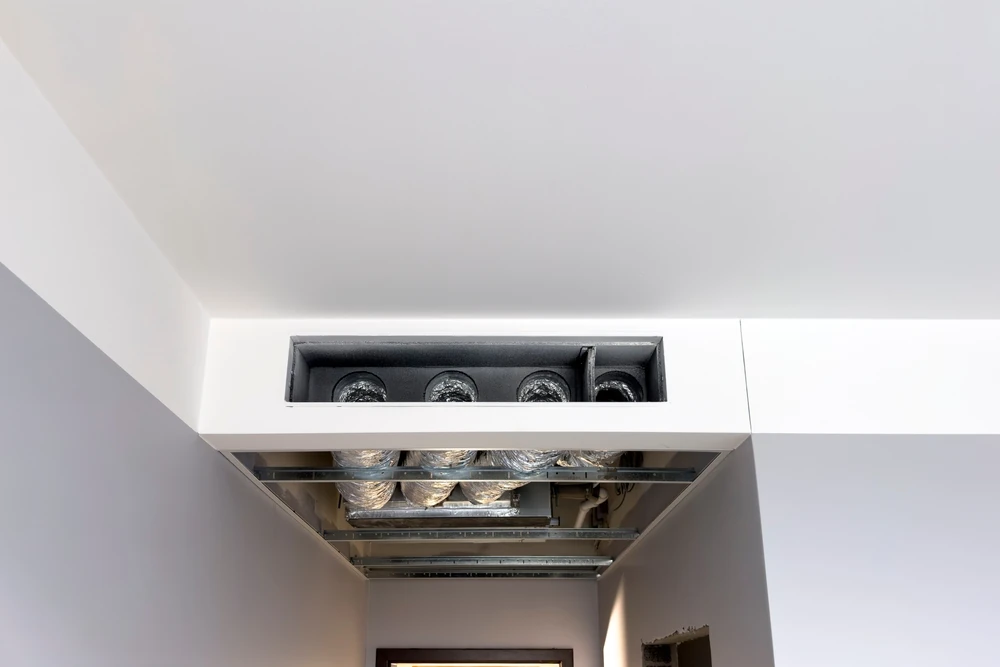
Adding zoning to an existing ducted air conditioner is not just a matter of installing a few extra vents or switches. It is a structured upgrade that usually involves motorised dampers, additional wiring or wireless controls, temperature sensors and a compatible zoning system that can manage different areas independently.
The exact process depends on the system’s age, design and capacity. In many cases, zoning can be retrofitted cleanly. However, some older or undersized systems may need ductwork changes, control upgrades or airflow improvements before zoning can operate reliably.
A proper zoning retrofit starts with a detailed assessment of the current setup. This allows the installer to confirm whether the existing system can support zoning without creating airflow problems, excessive pressure or uneven comfort.
This assessment typically includes:
If the ducts are too small, badly leaking, poorly insulated or poorly arranged, zoning may create comfort problems rather than solve them. In some homes, extra return air pathways, larger duct sections or duct repairs may be needed before or during the zoning upgrade.
Once feasibility is confirmed, the main physical change is the installation of motorised dampers inside the ductwork. These dampers open and close to control how much air is supplied to each zone. They are usually positioned at suitable branch points so each area of the home can be controlled separately.
This may involve:
The zone control panel acts as the system’s control centre. It tells each damper when to open or close based on the temperature settings for each area. In many homes, this panel replaces or works alongside the original thermostat. In more modern systems, it may also connect to a Wi-Fi or app-based controller so each zone can be adjusted from a phone, touchscreen or central wall controller.
Zoning changes how air moves through the ductwork, so the system must be balanced carefully after installation. If too many zones are closed at once, the fan may be forced to push air through too few outlets. This can increase pressure, create noisy vents and place unnecessary strain on the indoor unit.
To manage this, an installer may:
Final testing is an important part of the retrofit. The system should be checked with different zones open and closed to confirm that temperatures remain stable, airflow is sufficient and the air conditioner can operate safely without unnecessary stress.
Zoning will only perform well if the existing ducted air conditioning system is suited to the upgrade. The condition of the unit, the layout of the ducts, the capacity of the system and the way the zones are grouped all influence comfort, noise levels and running costs once zoning is added.
Before any zoning upgrade, the system should be assessed so the damper controls, airflow paths and zone layout can be designed around the home and how it is used. Ignoring these factors can lead to hot and cold spots, short cycling, whistling outlets or strain on the indoor unit and ductwork.
The air conditioner must have enough capacity and be in good working condition for zoning to operate correctly. If the system is already struggling to cool or heat the whole home, adding zones will not fix the underlying problem. In some cases, zoning may make existing issues more noticeable because airflow is being redirected through selected parts of the system.
Older systems that are near the end of their service life are not always ideal candidates for zoning upgrades. Units with weak airflow, noisy operation, frequent faults or inefficient performance may struggle when zones are added. Zoning can also place extra demand on tired fan motors, compressors and control components.
Where the existing system is too old, undersized or unreliable, replacing it with a modern unit that supports zoning natively may be more effective than retrofitting controls to equipment that is already underperforming.
The layout and size of the ductwork strongly influence how well zones will work. Zoning relies on being able to open and close different duct branches without choking the system or starving certain rooms of airflow. If the ductwork was not originally designed with zoning in mind, some changes may be needed.
Common duct issues that can affect zoning include:
If too many outlets are closed at once, pressure inside the ductwork can rise. Without a suitable bypass strategy, constant zone or duct adjustment, this can lead to noisy whistling outlets, air leaks or damage to ducts and fan components. Proper duct assessment helps confirm whether the existing layout can support zoning or whether sections need to be repaired, resized or rebalanced.
Zoning performance also depends on the control strategy and where thermostats or temperature sensors are placed. A single central thermostat cannot accurately manage several independent zones because it only measures temperature in one location.
For effective operation, each major zone should have its own sensor positioned away from direct sunlight, supply grilles, windows, appliances and other heat sources. Poor sensor placement can cause rooms to overshoot, underperform or remain uncomfortable even when the system appears to be operating normally.
The way rooms are grouped into zones is also important. Areas with very different usage patterns, ceiling heights or sun exposure should not be grouped together without careful consideration. For example, a sunny upstairs bedroom and a shaded ground-floor living area may need separate control because they gain and lose heat at different rates. Thoughtful zone design helps the system respond to the way the home is actually occupied.

Zoning is not just about adding extra switches and dampers. Every change to where air is directed changes the balance of airflow and pressure across the ducted system. If zoning is added without allowing for correct airflow, the system can become noisy, inefficient and more vulnerable to wear.
Effective zoning design starts with understanding how much air the indoor unit needs to move and how the existing ductwork currently handles that airflow. The goal is to allow the system to operate freely in every zone combination so the fan, coil and compressor are not placed under unnecessary strain.
When zones close, air that once flowed through the whole duct network is forced through fewer outlets. If the ductwork and return air pathways are not designed to cope with this, static pressure can rise. Excessive static pressure may lead to fan motor wear, rattling ducts, whistling vents and reduced airflow at the outlets that remain open.
Each indoor unit has a maximum external static pressure rating. Zoning design needs to keep the system within that limit, even when only a smaller number of zones are operating. This may involve adjusting duct sizes, setting minimum open zones, using suitable dampers or adding a bypass solution designed for that specific system.
Ignoring these pressure limits may not cause an immediate breakdown, but it can shorten equipment life, reduce efficiency and make the system less comfortable to use.
Every ducted air conditioner has a minimum airflow requirement to protect the indoor coil and compressor. If too many zones are closed and not enough outlets remain open, the coil may become too cold in cooling mode or too hot in heating mode. This can cause icing, nuisance tripping, poor performance and reduced efficiency.
Proper zoning design considers:
In some homes, small bedrooms or low-use rooms may need to be combined into a larger zone so airflow never drops below the system’s minimum requirement. Fan speed adjustments, outlet balancing or duct changes may also be needed so each zone receives enough air without excessive noise.
Good supply airflow is not enough if return air is restricted. Zoning can create situations where internal doors are closed and supply air has no easy path back to the return grille. This can pressurise some rooms, depressurise others and reduce overall system performance.
Restricted return air can also affect comfort by making rooms feel stuffy or unevenly conditioned. In some cases, pressure differences may pull dust from ceiling spaces, wall cavities or gaps around doors and fittings.
Airflow-focused zoning design ensures there is a clear path for air to return to the indoor unit in every zone combination. This may involve undercutting doors, installing transfer grilles or adding extra return air points in larger zones. The return air system must also have enough capacity to handle full fan airflow without creating excessive negative pressure at the unit.
Adding zones to an existing ducted air conditioning system is often possible, but successful results depend on much more than installing extra dampers or controllers. The existing unit, duct layout, return air pathways, airflow requirements and control strategy all need to be assessed before zoning is added.
When these factors are properly considered, zoning can improve comfort, reduce unnecessary conditioning of unused rooms and make the system easier to manage throughout the day. When they are overlooked, the system may become noisy, inefficient and placed under unnecessary strain.
For homeowners considering upgrades to ducted air conditioning in Wollongong, professional assessment is the safest way to determine whether retrofitting zones is worthwhile or whether a newer zoning-ready system would be the better long-term option.

